

Bee Farming In Kenya

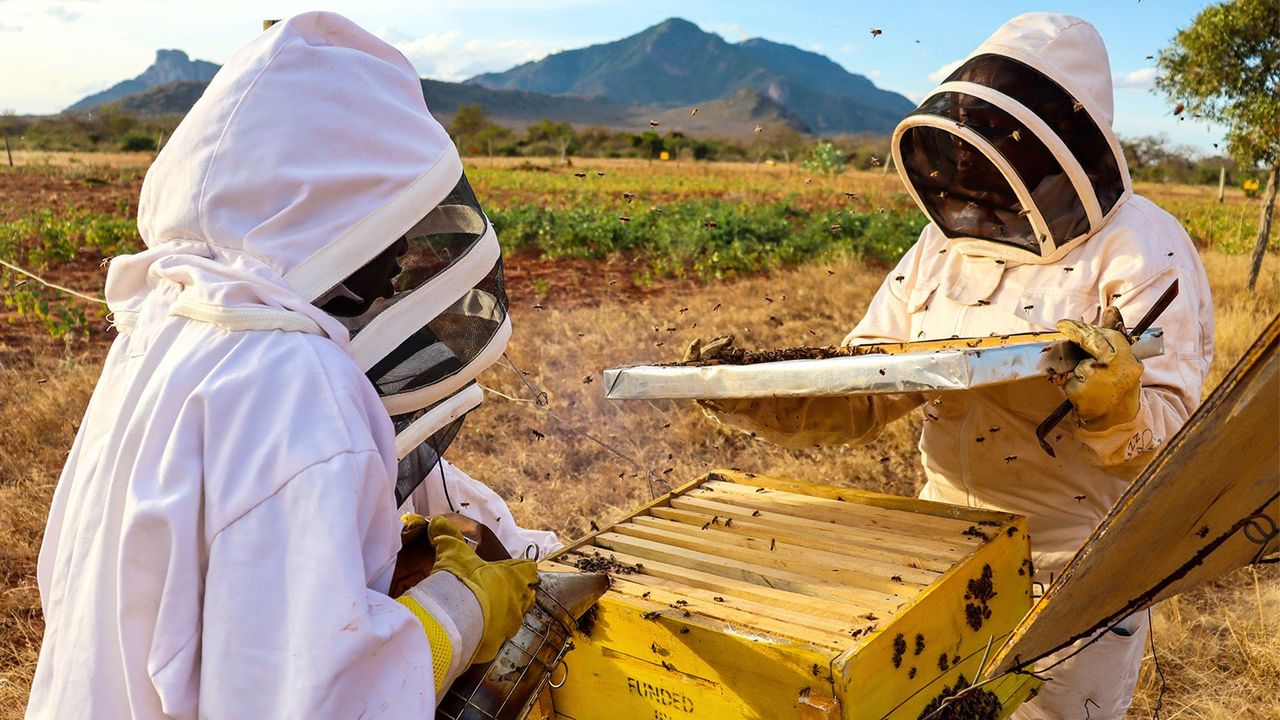
Introduction to Bee Farming in Kenya
Bee farming in Kenya, also known as beekeeping or apiculture, is an agricultural activity that involves keeping and managing honeybee colonies to produce honey, beeswax, propolis, pollen and other bee-related products. It offers farmers, young entrepreneurs, community groups and agricultural investors an opportunity to diversify their income while supporting environmental conservation.
Kenya has diverse climatic conditions, flowering plants, forests, woodlands and dryland vegetation that can support beekeeping. Areas within Kajiado, Kitui, Makueni, Machakos, Baringo, Turkana, Meru and other counties offer opportunities for apiary development, depending on local forage, water availability, climate and management practices.
Unlike some livestock enterprises, bee farming does not require large grazing fields or daily feeding under normal conditions. However, successful beekeeping requires proper training, suitable beehives, regular inspections, safe handling techniques and an understanding of seasonal flowering patterns.
At Bee Farming Kenya, we recognise the importance of practical beekeeping knowledge, quality equipment, responsible hive management and appropriate harvesting techniques in building a sustainable beekeeping enterprise.
Whether you want to start with two beehives at home or establish a commercial apiary, this guide explains how to start bee farming in Kenya, choose the right beehives, manage colonies, harvest honey and develop a market for your products.
What Is Bee Farming?
Bee farming is the practice of maintaining honeybee colonies in specially designed hives for the production of honey and other hive products. The scientific term for this activity is apiculture.
Modern bee farming combines traditional knowledge with improved equipment and management practices to support healthy colonies and improve the quality of harvested products.
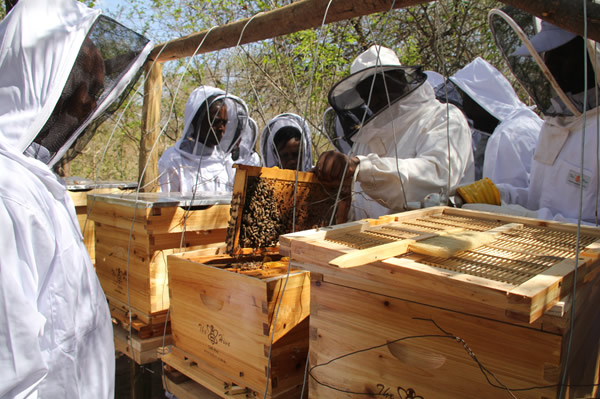
A beekeeper is responsible for selecting a suitable apiary location, installing beehives, monitoring colony development, controlling pests and predators, inspecting frames or combs and harvesting honey when it is ready.
Beekeeping can be practised by small-scale farmers, commercial honey producers, schools, agricultural institutions, youth groups, women-led enterprises and community organisations.

Why Is Bee Farming Important in Kenya?

Bee farming has several potential economic, agricultural, and environmental benefits.
1. Source of income for farmers
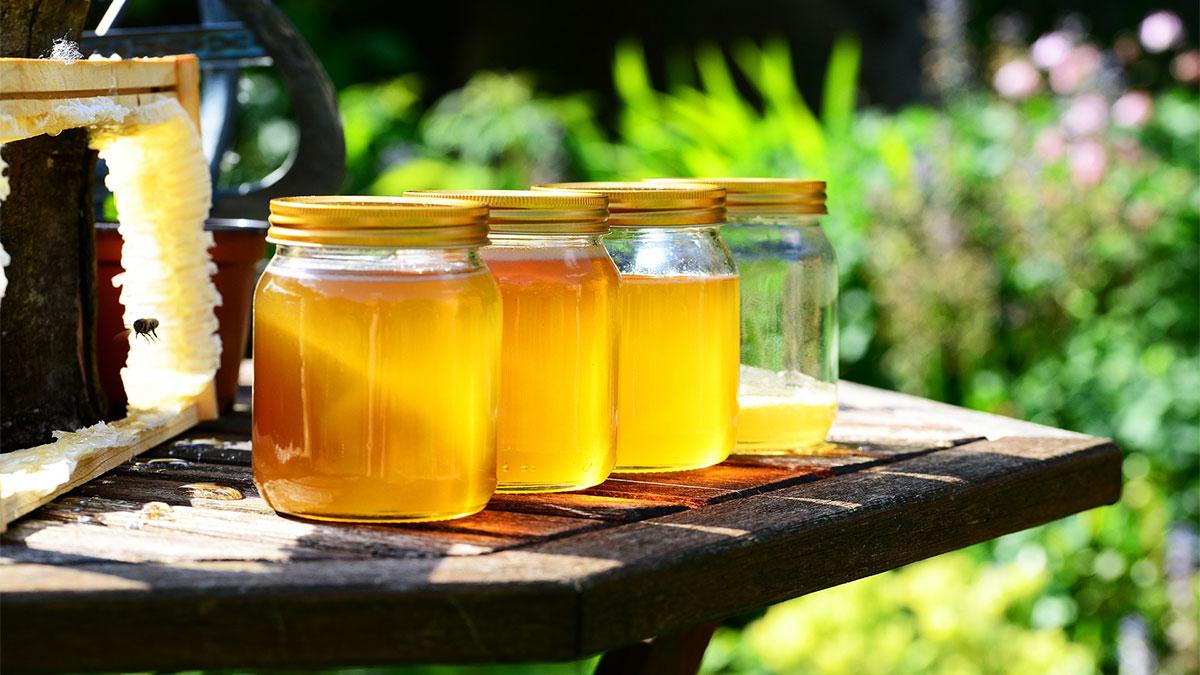
Beekeeping allows farmers to earn income from honey and other hive products. Depending on their skills, market access, and production capacity, farmers can sell raw honey, filtered honey, beeswax, and other suitable products.
Farmers can also expand into honey packaging, branded honey products, beeswax candles, and other value-added products where appropriate.
2. Requires relatively little land
One advantage of bee farming is that an apiary can operate on a comparatively small area of land. Bees collect nectar and pollen from flowering plants beyond the immediate apiary, so the availability of suitable forage around the site is important.
However, farmers must consider the safety of neighbours, access to water, colony behaviour, and the distance from busy public areas.
3. Supports crop pollination
Bees transfer pollen between flowers, supporting the reproduction of many flowering plants. Depending on the crop and local conditions, effective pollination can improve fruit formation and crop production.
This makes beekeeping a useful complementary activity for farmers growing fruit trees, vegetables, and other crops that benefit from insect pollination.
4. Creates employment opportunities
Bee farming creates opportunities for people involved in hive construction, beekeeping training, apiary management, honey harvesting, processing, packaging, transportation, and marketing.
Young people can establish small beekeeping enterprises and gradually expand as they gain experience and secure reliable customers.
5. Supports environmental conservation
Healthy bee populations depend on flowering plants, suitable habitats, and access to uncontaminated forage. Responsible beekeeping can encourage communities to protect trees, plant bee-friendly vegetation, and reduce harmful pesticide exposure.
Beekeeping should therefore be managed alongside broader efforts to protect pollinators and their habitats.